

RE, Spiritual, Moral and Social Cultural Development
Spiritual, Moral, Social and Cultural Development
At Market Field School, SMSC development is at the heart of our curriculum. Through carefully planned learning and meaningful experiences, pupils develop the confidence, understanding and values they need to thrive in modern Britain.
Our values of Respect, Excellence and Friendship are embedded across all subjects, particularly within our Humanities curriculum, where pupils explore identity, beliefs, communities and the wider world.
SMSC Through Our Humanities Curriculum
Our Primary and KS3 Humanities curriculum (History, Geography and Religious Education) provides a strong foundation for SMSC development. Learning is adapted and experiential to ensure access for all pupils.
🌱 Spiritual Development
Pupils are supported to reflect on their own beliefs, values and experiences while developing curiosity about the world around them.
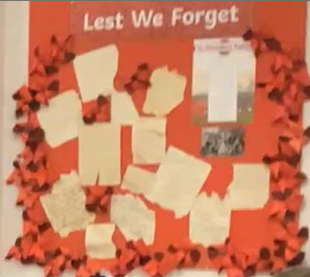
Curriculum examples:
- Exploring religious beliefs and practices:
- Christianity (stories of Jesus, Bible study)
- Islam (Five Pillars, Hajj, life of Muhammad)
- Hinduism (Aum symbol, worship in Mandir)
- Buddhism (Buddha, enlightenment, karma)
- Learning about religious celebrations and festivals:
- Diwali, Eid, Christmas, Chinese New Year, Ramadan, Rosh Hashanah
- Reflecting on big questions about life, belief and belonging
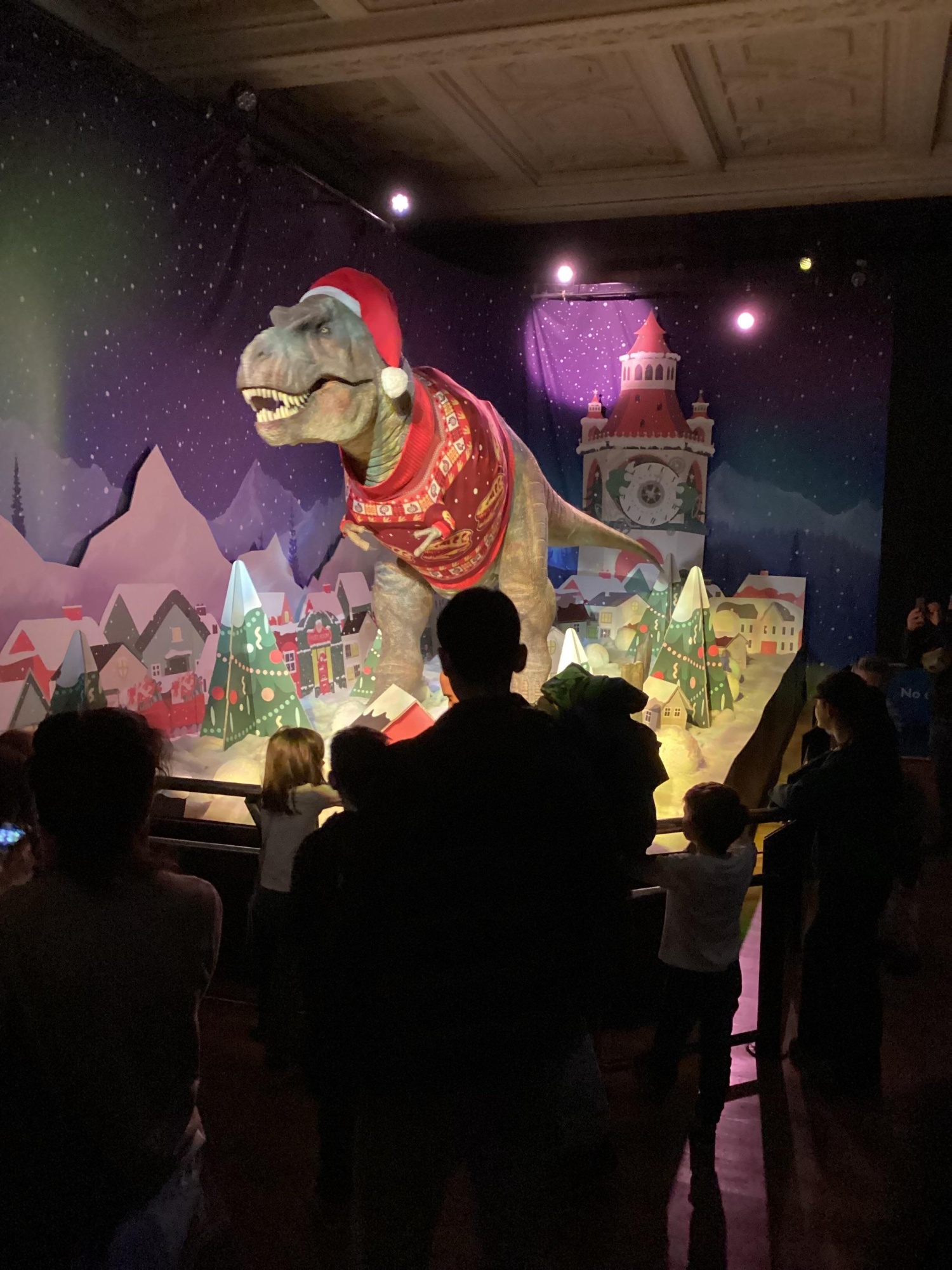
- Developing awe and curiosity through:
- Study of dinosaurs, fossils and the natural world
- Exploration of rainforests, rivers and mountains
👉 Impact for pupils:
Pupils develop a sense of identity and an understanding of beliefs and values, appropriate to their level of need.
⚖️ Moral Development
Pupils learn to understand right and wrong, fairness and consequences, and develop a strong sense of responsibility.
Curriculum examples:
- Studying historical events and moral decision-making:
- World War II (impact on families, evacuation, fairness and sacrifice)
- Roman Britain and power, resistance (e.g. Boudicca)
- Anglo-Saxon and Viking laws and justice
- Exploring environmental responsibility:
- Protecting rainforests
- Human impact on coasts and environments
- Discussing fairness, rules and consequences, through real-life and historical contexts
👉 Impact for pupils:
Pupils begin to understand justice, empathy and responsibility in ways that are meaningful and relevant.
👥 Social Development
Pupils develop communication, cooperation and interpersonal skills through shared learning and real-life contexts.
Curriculum examples:
- Collaborative learning and discussion in:
- History enquiries (e.g. timelines, artefacts, investigations)
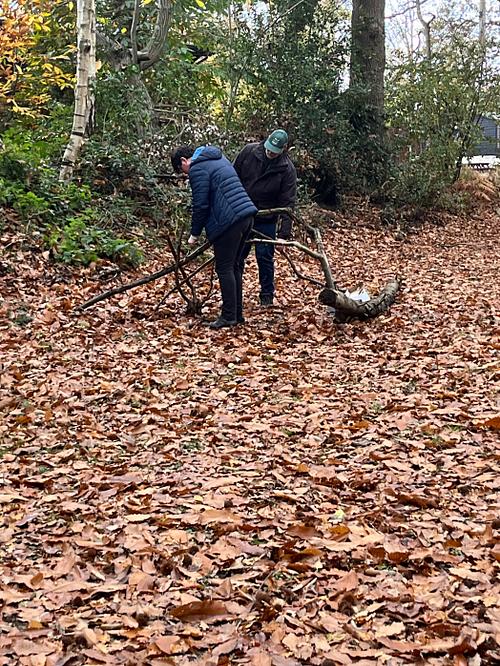
- Geography fieldwork and local area studies
- Learning about communities and how people live:
- Rainforest communities
- Settlements along rivers
- Comparisons between local and global locations
- Understanding roles in society:
- Historical figures and leadership
- Community roles in different cultures
👉 Impact for pupils:
Pupils learn to work with others, communicate effectively and develop positive relationships.
🌍 Cultural Development
Pupils develop an understanding and appreciation of different cultures, traditions and ways of life.
Curriculum examples:
- Studying non-European societies:
- Mayan civilisation, Benin, early Islamic civilisation
- Exploring global geography:
- Rainforests and indigenous communities
- India as a contrasting locality
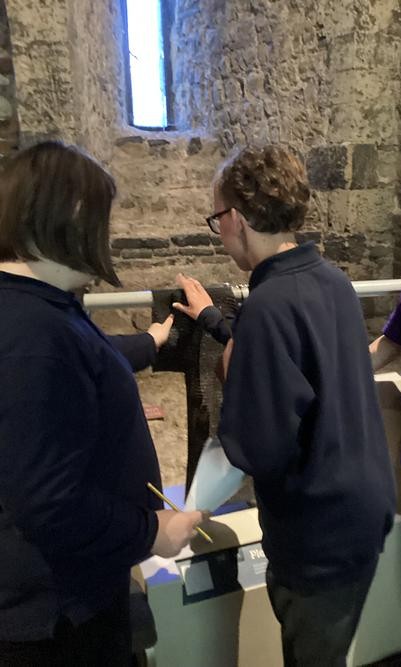
- Learning about local history in Colchester:
- Roman sites
- Changes in the local area over time
- Experiencing diversity through:
- Religious education
- Cultural celebrations and festivals
👉 Impact for pupils:
Pupils learn to respect and celebrate diversity and understand their place within the wider world.
Learning Beyond the Curriculum
These curriculum experiences are enhanced through:
- Educational visits linked to topics (e.g. local historical sites, community locations)
- Visitors and themed days
- Sensory and experiential learning opportunities for pupils with additional needs
What This Means for Our Pupils
Through our curriculum and wider provision, pupils at Market Field School:
- Develop confidence, resilience and independence
- Learn to respect themselves and others
- Build understanding of the wider world and different communities
- Are well-prepared for their next steps and life beyond school.
Religious Education (RE) – Parent Information
In England and Wales, parents have the statutory right under Section 71 of the School Standards and Framework Act 1998 to withdraw their child from Religious Education lessons and acts of Collective Worship.
Parents are not required to give a reason for requesting withdrawal. However, we would always encourage you to discuss any concerns with a senior member of staff in the first instance so that we can support you and your child appropriately.
Requests for withdrawal must be made in writing to the Headteacher.