

Food Technology
“Cooking is a vital life skill. Through food education we support wellbeing, independence and future success.”
Intent
Our Food Technology curriculum inspires all pupils to develop essential life skills, confidence and independence through practical cooking and food education. It is carefully sequenced to meet the needs of our diverse learners, ensuring all pupils can access, engage and thrive. The curriculum promotes healthy lifestyles, independence, employability and preparation for adulthood, while nurturing curiosity about food, culture and sustainability.
It aligns with the Design & Technology National Curriculum, statutory Food Preparation and Nutrition requirements, and the Ofsted focus on Intent, Implementation and Impact, ambitious curriculum design, inclusion and preparation for next steps.
Implementation
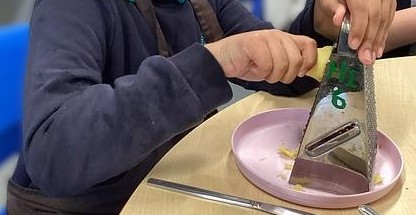
Food Technology is delivered through practical, sensory and skills-based learning. Teaching is adapted through clearly defined pathways so that pupils progress from supported experiential learning to accredited qualifications.
Pathway Approach
- Firm Foundations– sensory exploration, tasting, basic preparation with high support
- Pathway 1 – simple cooking skills, following routines and developing independence
- Pathway 2 – applying skills, nutrition knowledge and evaluation
- Pathway 3 – independence, life skills, accreditation and employability focus
Teachers use a topic-based approach that allows pupils to revisit key skills regularly, build confidence and make progress over time. Hygiene, safety, nutrition, sustainability and independence are embedded in every practical lesson.
Skills at a Glance
🧑🍳 Practical Cooking Skills
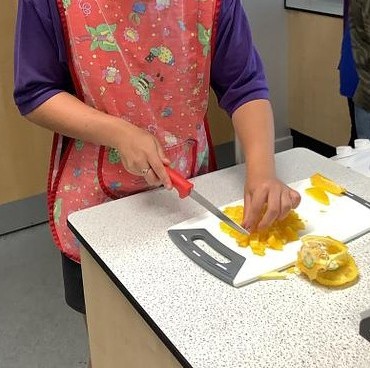
🔪 Knife and equipment safety
⚖️ Measuring, weighing and portion control
🧼 Hygiene and food safety
🥦 Healthy eating & nutrition (Eatwell Guide)
🌍 Food from around the world & culture
♻️ Sustainability & food waste reduction
🗣 Communication, teamwork & independence
Curriculum Overview by Phase
Key Stage 1
Pupils work at an experiential level. Learning focusses on:
- Sensory exploration of food: tasting, smelling, touching
- Developing communication and vocabulary around food
- Building personal independence (handwashing, eating, basic hygiene)
- Exploring healthy eating through class topics
Learning is highly repetitive and personalised, with targets drawn from EHCP outcomes.
Key Stage 2
Pupils access cooking fortnightly through a four-year rolling, skills-based curriculum.
Focus areas include:
- Core food preparation skills (peeling, mixing, measuring, cutting)
- Introduction to equipment and safe use
- Healthy eating and the Eatwell Guide
- Simple planning using the Intent → Create → Evaluate model
- Increasing independence and confidence
Progression is carefully planned to allow pupils to experience a wide range of foods and techniques in preparation for KS3.
Key Stage 3
Pupils access Food Technology weekly, with a combination of practical and theory-based lessons.
Topics include:
- Packed lunches, bread, eggs, pasta, rice, potatoes
- Protein sources (meat, fish, alternatives)
- Food from around the world
- Breakfast, soups, salads and quick meals
Theory lessons include:
- Nutrition and the Eatwell Guide
- Food origins and farming
- Budgeting and taste testing
- Design, create and evaluate
Lessons are adapted to pathway needs, with increasing independence expected across the key stage.
Key Stage 4
Pupils participate in a weekly double practical session, supported by theory lessons.
Accreditation routes include:
- Pearson BTEC Level 1 & 2
- ASDAN Life Skills and Transition Challenge
Learning focusses on:
- Independent planning and cooking
- Healthy choices and budgeting
- Food safety and time management
- Preparation for further education, training and adulthood
Assessment & Progression
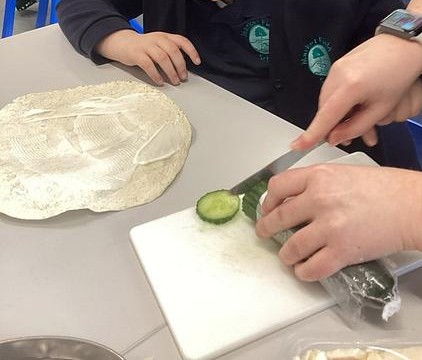
Assessment is ongoing and embedded within lessons. Progress is tracked through:
- Cooking skills progression
- Healthy eating understanding
- Food origins and sustainability knowledge
- Independence, communication and personal development
Clear progression frameworks ensure pupils know more, remember more and can do more over time.
Impact
By the time pupils leave our school, they:
- Can prepare food safely and hygienically
- Understand how food supports health and wellbeing
- Show increased independence and confidence
- Are prepared for further education, employment or adult life
The curriculum strongly supports Ofsted priorities by being ambitious, well-sequenced, inclusive and purposeful, ensuring all pupils achieve meaningful outcomes.
What This Means for Your Child
Food Technology lessons are designed to have a meaningful and lasting impact on your child’s confidence, independence and wellbeing. The curriculum is directly linked to the Preparation for Adulthood (PfA) outcomes, ensuring learning is purposeful and supports long-term success.
Through our curriculum, your child will:
-
Learn essential life skills such as preparing simple meals, using equipment safely and understanding food hygiene (PfA: Independent Living)
-
Develop independence and self-esteem by planning, preparing and completing tasks step by step (PfA: Independent Living)
-
Build a positive relationship with food through tasting, exploring and cooking a wide variety of dishes, supporting lifelong wellbeing (PfA: Health)
-
Understand how food supports health, growth and nutrition, using the Eatwell Guide in an age‑appropriate and sensitive way (PfA: Health)
-
Develop communication, teamwork and social skills through shared cooking experiences and working with others (PfA: Friends, Relationships and Community)
-
Build confidence, responsibility and decision-making skills that support readiness for future learning, training and work (PfA: Employment)
As pupils move through our school, they gain increasing independence and, where appropriate, access recognised qualifications such as ASDAN and BTEC. These experiences support progression into further education, employment pathways and independent or supported living, ensuring every pupil is prepared for adulthood in a way that reflects their individual strengths and needs.