

Music
Intent
At Market Field School, our music curriculum is designed to provide all pupils with meaningful, inclusive and enriching musical experiences that support their communication, emotional expression and personal development.
Music plays a vital role in promoting our core values of Respect, Excellence and Friendship. We aim to ensure that every pupil, regardless of need or starting point, can access, enjoy and succeed in music through a carefully sequenced and highly adapted curriculum.
Our curriculum intends to:
- Develop pupils’ confidence to express themselves creatively through sound, movement and performance
- Build fundamental musical skills including listening, rhythm, pulse, pitch and composition
- Provide opportunities for pupils to engage with a wide range of musical styles, cultures and traditions
- Support communication and interaction through singing, signing, call-and-response and collaborative music-making
- Promote emotional regulation, wellbeing and self-expression through structured and sensory musical experiences
- Prepare pupils for future participation in music, performance and community opportunities
Across all pathways, we prioritise engagement, accessibility and relevance, ensuring music is meaningful for each pupil and supports their wider development.
Implementation
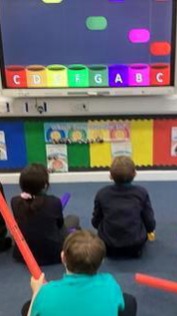
Music is delivered through a structured curriculum that builds progressively from early sensory and engagement-based experiences in the Primary phase through to more formalised musical understanding and performance at Key Stage 3.
Primary Phase
In the Primary phase, music is embedded both as a discrete subject and as part of daily classroom practice. Pupils access music through:
- Singing familiar and structured songs (e.g. days of the week, weather songs, counting songs)
- Use of visual support, including Makaton and melody signing
- Exploration of rhythm through instruments, call-and-response and repetition
- Sensory engagement with sound, movement and musical patterns
- Early instrumental experiences (e.g. recorders or ocarinas where appropriate)
Music is also used to support:
- Communication and language development
- Routine and structure
- Engagement in learning across the curriculum
Teachers draw on structured programmes such as Charanga, alongside adapted resources to meet the needs of their class, ensuring flexibility while maintaining progression.
Key Stage 3
At Key Stage 3, pupils build on prior learning through a broad and engaging curriculum that introduces a range of musical genres, instruments and compositional techniques.
The curriculum includes:
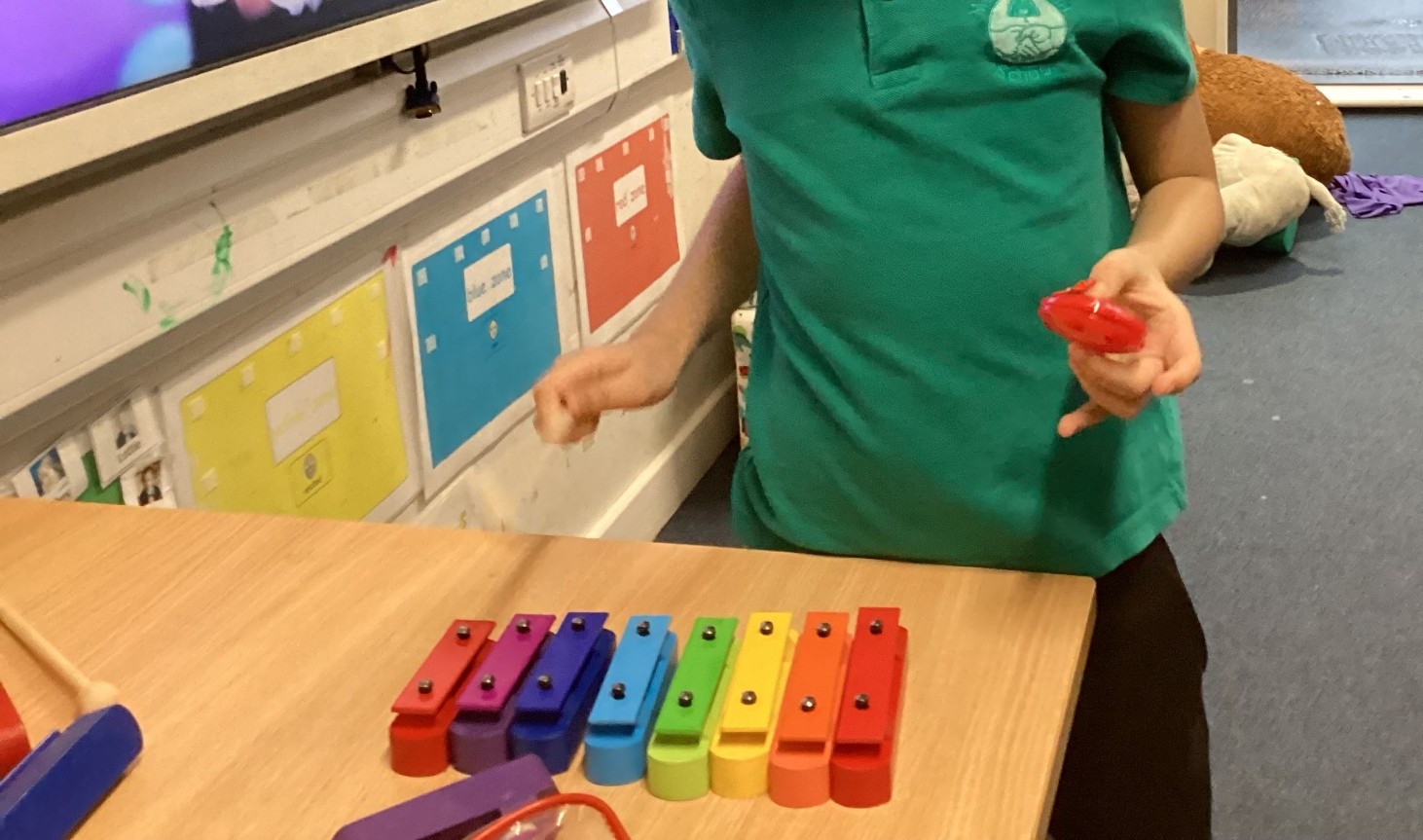
- Year 7: Foundations of music (elements of music, rhythm, graphic scores), instrumental work (glockenspiels, djembe), and early performance opportunities
- Year 8: Exploration of musical genres and traditions including Jazz, Blues, Reggae and African music, alongside instrumental and ensemble work
- Year 9: More advanced experiences including music technology (e.g. BandLab), film music, ukulele performance, samba and popular songwriting
Across all year groups, pupils are given regular opportunities to:
- Perform as individuals and in groups
- Develop instrumental and vocal skills
- Compose and experiment with sound
- Listen and respond to a range of musical styles
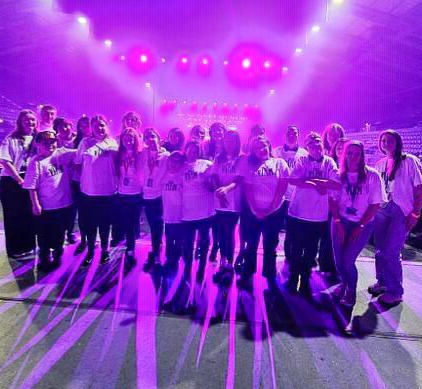
Seasonal performances, including Christmas productions, provide purposeful contexts for rehearsal, collaboration and showcasing achievement.
Teaching Approaches Across the School
Music teaching at Market Field is characterised by:
- Highly differentiated and scaffolded learning experiences
- Use of repetition, structure and routine to build confidence and independence
- Multisensory approaches to support a range of learning needs
- Strong use of modelling, imitation and supported performance
- A focus on engagement, participation and enjoyment alongside skill development
Staff adapt delivery to ensure pupils can access music at an appropriate level, whether through sensory exploration, supported participation or more formal musical learning.
Impact
The impact of our music curriculum is seen in the way pupils develop confidence, engagement and a sense of achievement through musical experiences.
Pupils at Market Field:
- Show increasing confidence in participating in musical activities
- Develop communication skills through singing, signing and shared musical experiences
- Demonstrate improved attention, listening and turn-taking skills
- Gain an appreciation of different musical styles and cultures
- Experience success through performance and collaborative work
- Use music as a tool for self-expression and emotional regulation
Over time, pupils build a secure foundation of musical understanding appropriate to their pathway, enabling them to:
- Access more complex musical experiences
- Participate in school and community performances
- Develop independence and resilience through rehearsal and practice
Music also makes a significant contribution to pupils’ personal development, supporting wellbeing, relationships and engagement in school life—reflecting our commitment to Respect, Excellence and Friendship.
What This Means for Your Child
- Your child will experience a wide range of music through singing, instruments and listening
- They will have opportunities to perform and celebrate their achievements.
- Music will support their communication, confidence and emotional development.
- Learning will be adapted carefully, so your child can succeed at their own level.