
Art
Art at Market Field School
At Market Field School, Art is a vital part of our curriculum. Through a carefully sequenced and highly practical programme, pupils develop creativity, confidence, fine motor skills and self-expression. Our Art curriculum is designed to be inclusive, ambitious and responsive, enabling every pupil to experience success and pride in their achievements.
Art also supports pupils’ sensory regulation, communication, emotional literacy and personal development, making a strong contribution to their overall wellbeing and readiness for adulthood.
Our Curriculum Intent
Our Art curriculum aims to ensure that all pupils:
- Develop progressive skills in drawing, painting, printmaking, sculpture, textiles and mixed media
- Learn about a wide range of artists, cultures, movements and traditions
- Build independence, perseverance and confidence through sustained creative projects
- Express thoughts, feelings and identity in a safe and meaningful way
- Leave school with a portfolio of work that demonstrates clear progress and achievement
The curriculum is adapted to meet a wide range of SEN needs while maintaining high expectations for all learners.
Curriculum Progression and Structure
Key Stage 3: Foundations and Exploration
In KS3, pupils build strong foundations in artistic skills, knowledge and vocabulary. Learning is carefully scaffolded and revisited across year groups to ensure depth and retention.
Pupils explore:
- The formal elements of art: line, colour, tone, texture and pattern
- Drawing from observation using a range of media
- Clay work, including coil pots, tiles and sculptural outcomes
- Mixed media, collage, printmaking and textiles
- Art inspired by different cultures and traditions, such as Day of the Dead, tile design and environmental art
KS3 projects are designed to:
- Develop fine motor control and sensory tolerance
- Encourage creative risk‑taking and problem-solving
- Build visual literacy and artistic confidence
- Make meaningful cross-curricular and cultural links
Learning is evidenced through sketchbooks, photographs, finished outcomes and verbal reflection.
Key Stage 4: Depth, Independence and Accreditation
At KS4, pupils deepen their understanding and refine their technical skills through longer, more sustained projects. The curriculum prepares pupils for external accreditation, where appropriate, and supports progression to further education or creative pathways.
Pupils study:
- Street art and art as social commentary
- Nature-inspired work, including insects, printmaking and textiles
- Architecture and 3D outcomes, such as mosaics and cardboard constructions
- Textile and print design linked to artists such as William Morris
- Personal responses to artists, concepts and themes
Pupils:
- Research artists and movements
- Develop ideas through experimentation
- Refine and practise techniques
- Produce informed final outcomes
- Reflect on and explain their creative decisions
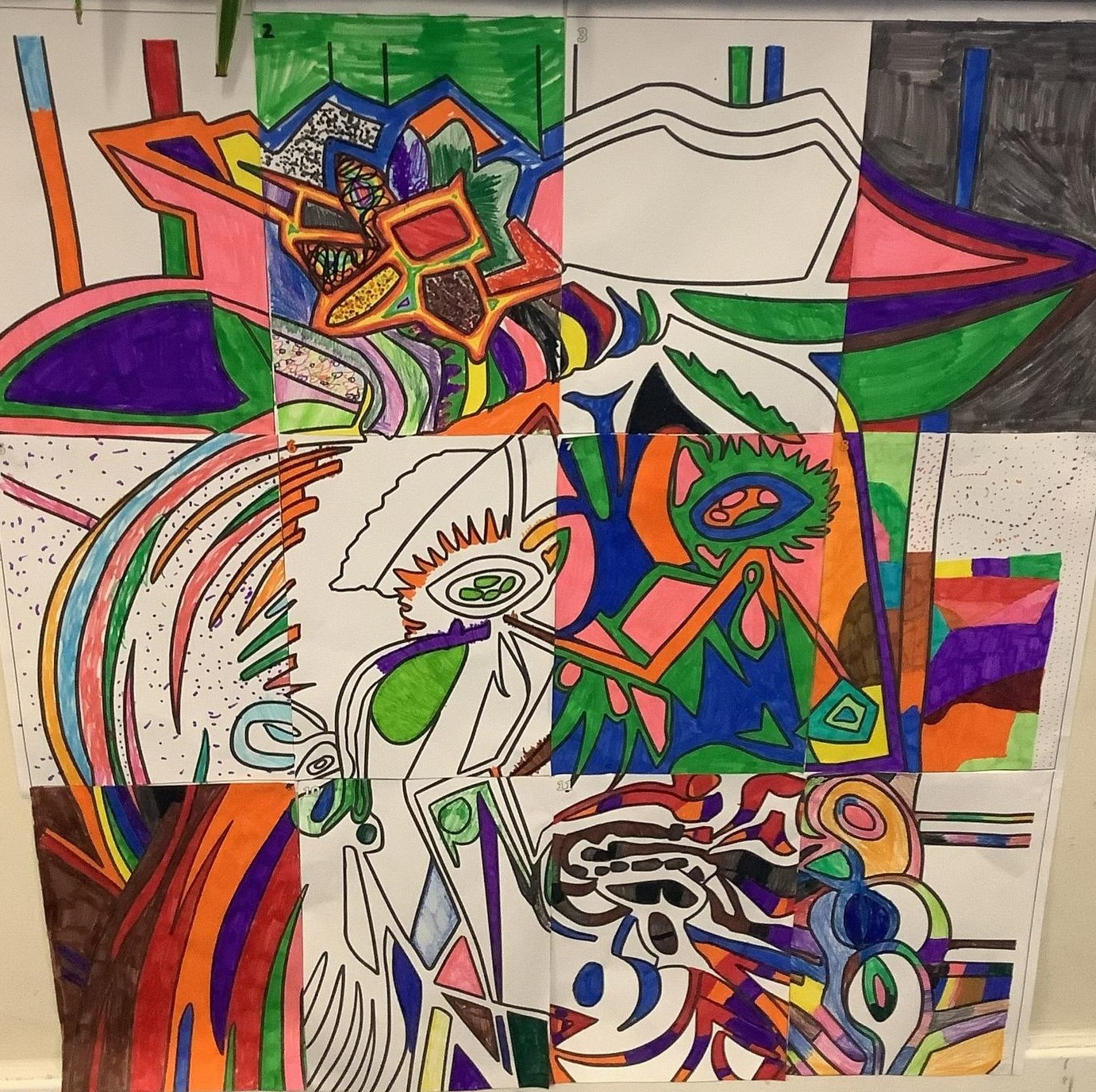
Where appropriate, pupils participate in accredited preparation tasks, supported mock activities and extended creative projects around the school environment, including murals and shared displays ahead of final exams.
How We Ensure Progress
Progress in Art at Market Field School is demonstrated through:
- Increasing control and confidence with tools and materials
- Growing independence when planning and completing work
- Improved ability to communicate ideas visually or verbally
- Deeper engagement with artists, techniques and inspiration
- Pride in completed outcomes and willingness to revisit and improve work
Assessment is continuous and meaningful, focusing on individual starting points and next steps, rather than comparison.
Senior Art Curriculum Overview – Market Field School
| Key Stage | Focus of Learning | What Pupils Learn | Evidence of Progress & Outcomes | Ofsted Alignment |
|---|---|---|---|---|
| KS3 – Year 7 | Foundations of Art | Pupils are introduced to the formal elements of art (line, tone, colour, texture, pattern). They explore drawing, mixed media, weaving, clay and self-portrait in a highly scaffolded way. | Sketchbooks show developing fine motor skills, increasing confidence with materials, and completed clay, weaving and portrait outcomes. | Strong curriculum intent with clear foundations; pupils build secure knowledge and skills. |
| KS3 – Year 8 | Skills Development & Cultural Awareness | Pupils extend drawing accuracy, explore tonal work, Pop Art, landscapes, clay tiles and cultural themes such as Day of the Dead and Mexican art traditions. | More refined drawings, painted outcomes, clay sculptures and tiles. Pupils demonstrate recall of prior learning and apply skills independently. | Clear sequencing and revisiting of knowledge; pupils remember and can do more over time. |
| KS3 – Year 9 | Experimentation & Creative Response | Pupils explore mixed media, printmaking, embroidery, environmental art and artist‑led approaches. They refine techniques across drawing, textiles and clay. | Sustained projects show growing independence, problem-solving and personal responses to artists and themes. | Curriculum breadth and depth; pupils engage creatively and develop cultural capital. |
| KS4 – Year 10 | Deeper Study & Skill Refinement | Pupils engage in longer projects exploring street art, social themes, nature, printmaking, mosaics, architecture and textiles inspired by major artists and movements. | Sketchbooks and outcomes show experimentation, decision-making and improved technical control across media. | Strong implementation: teaching builds logically on KS3 foundations, adapted to need. |
| KS4 – Year 11 | Independence & Accreditation Pathways | Pupils consolidate skills through printmaking, observational work, mock exam style tasks and whole‑school creative projects such as murals. | Final outcomes reflect pupil choice, creativity and pride. Evidence supports progression towards accreditation and preparation for adulthood. |
Enrichment and Real‑World Experiences
Pupils benefit from:
- Visits to galleries and cultural venues
- Workshops with professional artists and makers
- Opportunities to display work around the school and community
- Projects linked to sustainability, wellbeing and community identity
These experiences broaden pupils’ cultural capital and help them understand that creativity has value beyond the classroom.
Ofsted Alignment
Our Art curriculum reflects the Ofsted Education Inspection Framework by demonstrating:
- Clear intent: a well‑sequenced, inclusive curriculum with ambitious outcomes
- Strong implementation: skilled modelling, high-quality resources and adapted teaching
- Impact: pupils remember more, can do more, and show growing confidence and independence
Art also makes a strong contribution to:
- Personal development
- Cultural understanding
- Preparation for adulthood
What This Means for Your Child
For your child, art lessons at Market Field School mean:
- A chance to succeed, express themselves and feel proud of their work
- Carefully adapted learning that meets their needs while challenging them
- Opportunities to build confidence, coordination and communication
- Experiences that support emotional wellbeing and self-esteem
- Lasting skills that can be transferred into everyday life and future pathways